Credit Line on UPI — building a new revenue engine
When the RBI enabled credit lines on UPI, I led the full implementation at BharatPe — from digging into payment data to designing the activation funnel to coordinating with lending partners. The result was $12K in monthly revenue and a steady 12% week-over-week growth rate.
The context
UPI processes billions of transactions every month in India. It's the backbone of digital payments for BharatPe's merchant network. But the revenue model was mostly transaction fees — not much room to grow without growing volume.
Then the RBI enabled "Credit Line on UPI" — letting users access pre-approved credit lines directly through UPI payments. For a payments platform like BharatPe, this was a big deal: suddenly every UPI transaction could potentially generate interest income and processing fees on top.
The opportunity: Credit Line on UPI could turn every transaction into a lending moment — adding a revenue layer to payment volume that already existed.
The problem
The regulatory green light was there, but actually building this was messy:
- Integrating with lending partners and their credit decisioning APIs
- Designing a UX that surfaces credit without disrupting the payment flow
- Navigating compliance requirements for credit products
- Getting adoption among merchants and customers who'd never heard of the concept
What I did
1. Dug into the payment data
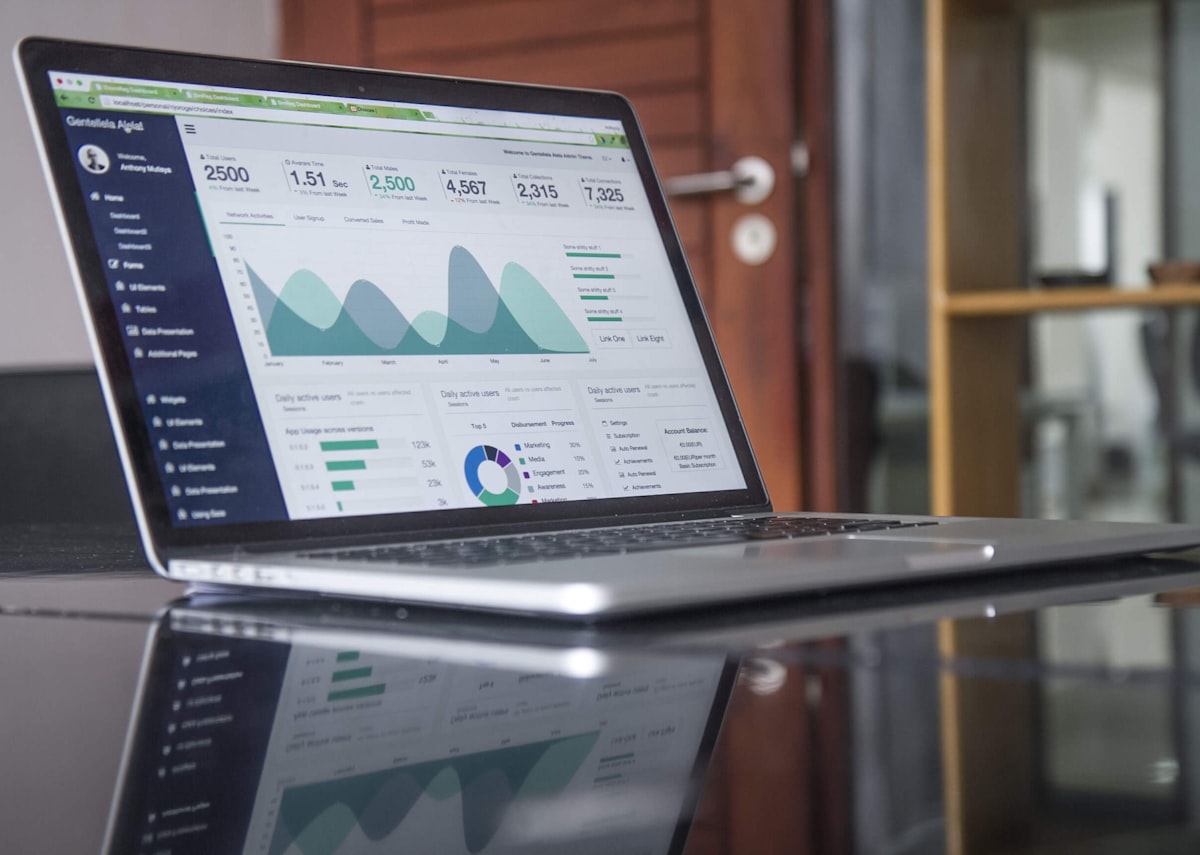
I started with SQL queries on our data warehouse and Mixpanel event data, trying to understand where credit could add the most value. I was looking for:
- Transaction patterns that indicated credit demand — high-frequency, mid-ticket-size payments
- Which merchant categories were most likely to see credit usage
- Time-of-day and day-of-week patterns for when to surface credit options
This wasn't glamorous work, but it was the foundation for everything else. The data told us exactly where to focus.
2. Designed the activation funnel
Based on the data, I designed the end-to-end funnel for credit line activation:
- Discovery: Surfacing credit availability at the right moment in the payment flow — not before, not after
- Activation: Minimizing the steps from "oh this exists" to first credit transaction
- Retention: Notification triggers and usage nudges to build the habit
I applied the same behavioral analysis to Credit Card on UPI placement and increased that revenue 21% just through better funnel positioning. Same product, better placement, more money.
3. Coordinated across teams
This touched engineering (API integration), compliance (regulatory sign-off), business development (lending partner agreements), and the merchant-facing team (education and onboarding). I also led a team of 8 on the parallel Multi-cycle Settlement initiative, which cut payout costs by $20K monthly.
Results
$12K
Monthly revenue
12%
Week-over-week growth
21%
Revenue lift (CC on UPI)
Credit Line on UPI hit steady compound growth from day one. And the 21% revenue lift on Credit Card on UPI came purely from better placement — same product, better understanding of when users were ready to see it.
What I learned
- Look at the actual data before building hypotheses. The payment patterns revealed credit demand signals that weren't obvious from aggregate metrics. Spending time in the data warehouse paid off more than any brainstorming session.
- Placement is a product lever. The 21% revenue lift from Credit Card on UPI was purely a funnel positioning change. No new features, no redesign — just showing the right thing at the right time.
- 12% weekly growth compounds fast. It sounds incremental, but 12% week-over-week means you roughly double every 6 weeks. That kind of compounding is what makes a feature go from "promising" to "important."