Ads on Speaker — from hackathon idea to ₹2 Cr ARR
BharatPe has over a million payment sound boxes sitting in shops across India. I realized they were an untapped ad surface, pitched the idea at a company hackathon, and then led the product from concept to launch. It's now generating ₹2 Cr in annual revenue and projected to hit ₹4.5 Cr.
The context
BharatPe runs one of the largest networks of payment sound boxes in India — the little devices that sit at merchant counters and announce "payment received" every time a transaction goes through. They're always on, always within earshot, and activated dozens of times a day.
But that's all they did. Announce payments. Despite being a high-frequency physical touchpoint with both merchants and customers, the sound boxes had no monetization layer beyond transaction fees.
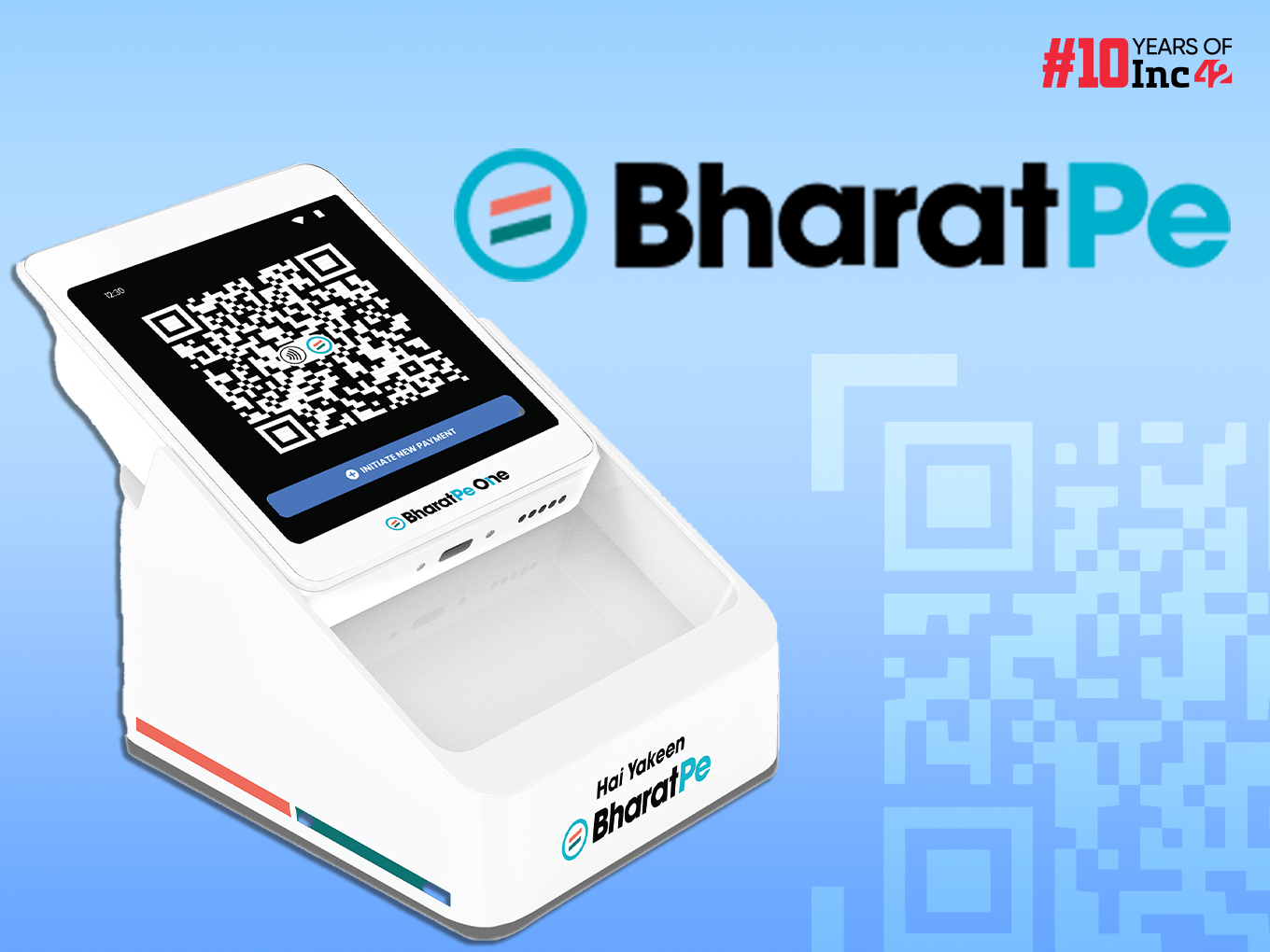
The realization: Every BharatPe sound box is essentially a tiny audio advertising channel — heard by merchants and customers at the exact moment of purchase, dozens of times daily.
The problem
BharatPe needed new revenue streams beyond core transaction fees. The sound box fleet was an obvious distribution channel, but nobody had figured out how to use it without making merchants hate the experience.
A few specific challenges stood out:
- How to run ads without annoying merchants or slowing down transactions
- How to build an ad delivery system that works on low-powered hardware
- How to price and sell this as a media channel to advertisers
- How to measure ad effectiveness without traditional digital metrics
What I did
1. Found the opportunity and sized it
This started at BharatPe's i-nnovate hackathon. My hypothesis was simple: if we could play short, relevant audio ads after transaction confirmations, we'd create a new revenue stream without touching the core payment experience.
To make the business case, I dug into the numbers:
- Daily transaction volume across the entire sound box fleet
- Average "audio impressions" per device per day
- CPM rates for comparable in-store audio advertising
- Merchant sentiment data to gauge how much they'd tolerate
2. Built the product strategy and got buy-in
After winning the hackathon, I put together a detailed product strategy. The key decisions:
- Ad format: 3-5 second audio clips after the transaction confirmation sound. Short enough that merchants wouldn't mind.
- Targeting: Geographic and merchant-category-based. A kirana store in South Delhi gets different ads than a restaurant in Mumbai.
- Frequency caps: Hard limits to prevent merchant fatigue — this was non-negotiable.
- Revenue model: CPM-based pricing for advertisers.
I then aligned engineering, sales, and business development on the roadmap. Getting cross-functional buy-in early was critical — this product touched firmware, ad-tech, and sales simultaneously.
3. Shipped it
I worked with engineering to design the ad delivery pipeline — from ad ingestion and scheduling to OTA deployment on sound box firmware. I also used Generative AI tools during the prototyping phase, which compressed the design-to-development cycle from 8 days down to 1. That speed made rapid A/B testing possible.

Results
₹2 Cr
Annual Recurring Revenue
₹4.5 Cr
Projected ARR
8 → 1 day
Prototyping turnaround
The feature went from a hackathon pitch to a live, revenue-generating product. It created a completely new monetization channel for BharatPe's hardware fleet and is now one of the Devices team's key growth initiatives.
What I learned
- The biggest opportunities are often hiding in what you already have. A million sound boxes were already out there — nobody had just thought of them as ad inventory yet.
- Prototype speed changes everything. Going from 8-day cycles to 1-day cycles using Gen AI tools meant we could test and iterate fast enough to find the right ad format before anyone got impatient.
- Merchant experience is the constraint, not a nice-to-have. If merchants hate it, they'll mute the speaker or switch providers. Frequency caps and short ad length weren't product features — they were survival requirements.